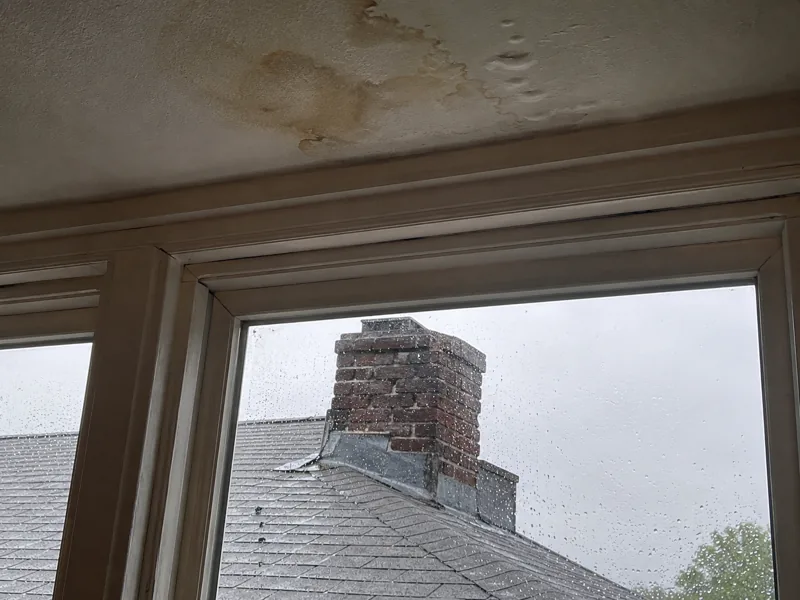
Chimney & Fireplace Inspections in Central Massachusetts
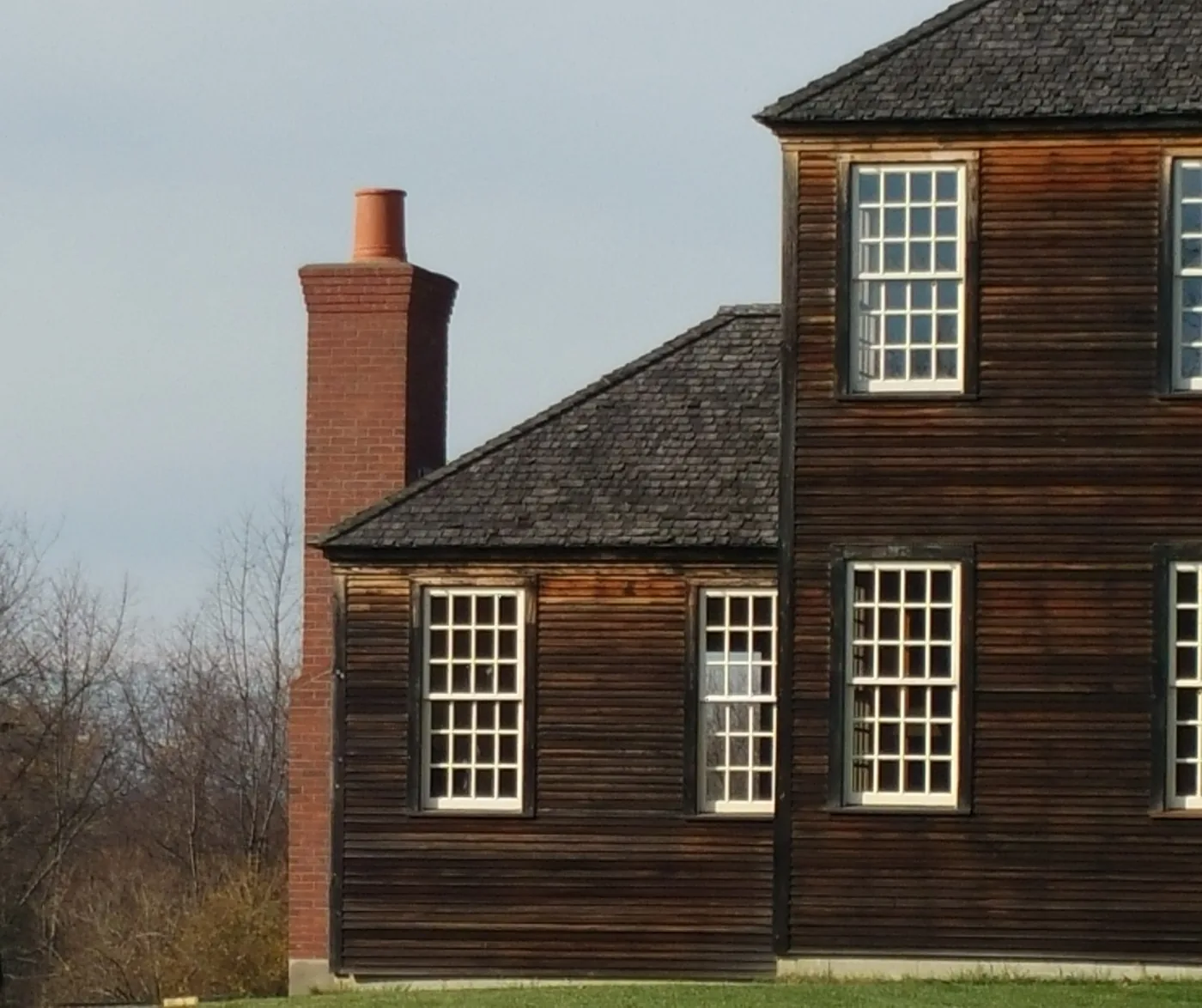
Most chimney damage is slow. Mortar washes out a little each winter. A crown cracks and lets in a bit more water with every storm. Nothing shows inside the house until a stain appears on the ceiling, and by then the water has usually been getting in for a while.
An inspection is how you find that damage while it's still a repair and not a rebuild.
JB Mohler Masonry inspects brick and stone chimneys and masonry fireplaces throughout Central Massachusetts and MetroWest. We build and rebuild chimneys for a living, so an inspection from us is a mason's read on the structure — what's failing, why it's failing, and what it will take to fix.
Want a first look before anyone climbs a ladder? Send photos of the chimney through our contact page, or call (978) 365-6800. Jeff reviews them himself and will tell you whether it needs a closer look.
What we look at
We work from the top of the chimney down.
- Crown and cap. Cracks, crowns that are too thin, crowns made from ordinary mortar, and edges lifting away from the brick. A failed crown is one of the most common leak sources we find. Our chimney crown repair page covers how we decide between patching and rebuilding.
- Mortar joints. Recessed, sandy, or missing mortar, and whether earlier repairs used a mortar harder than the brick around it. Hard repair mortar on soft brick is a slow way to wreck a chimney. See chimney repointing for what a proper repoint involves.
- Brick and stone. Spalled faces, cracked units, and loose stone in the upper courses, where freeze-thaw does the most damage.
- Flashing. Where the chimney meets the roof. Flashing gets blamed for plenty of leaks it didn't cause, so we check it against the crown and masonry above before calling it the problem.
- Alignment. Whether the stack is still plumb, or has started to lean or pull away from the house.
- Flue openings and flue tile. Gaps around the flue at the top of the chimney and visible cracks in the tile.
- Firebox, smoke chamber, and hearth. Cracked or missing firebrick, open joints, and hearths that have cracked or separated. On older fireplaces, we also look at how the firebox and smoke chamber were built in the first place.
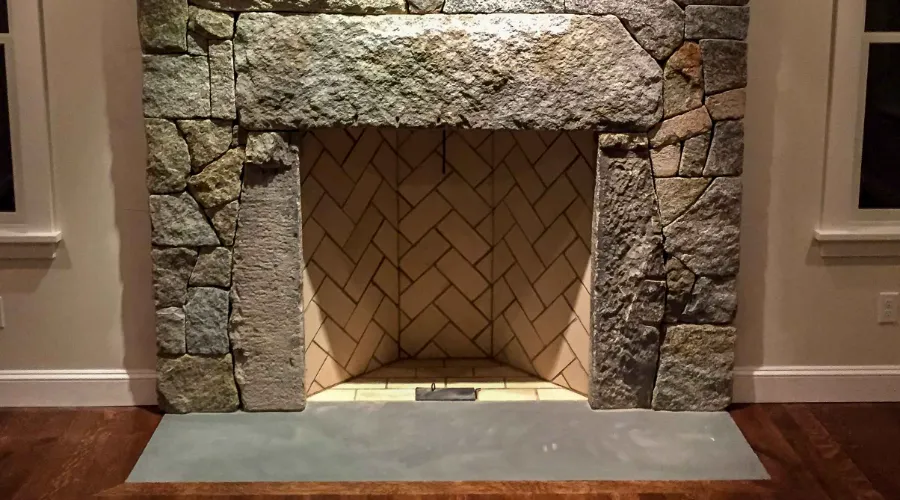
What we want to see: tight firebrick joints, no gaps between the firebox and the surround, and a hearth that hasn't cracked or pulled away.
You get the findings in plain terms and in order of urgency. If something needs fixing before you light another fire, we'll say so. If it can wait until spring, we'll say that too. If the firebox or surround has moved, our page on fireplace structural repairs explains the fix.
Why once a year matters here
NFPA 211, the national standard for chimneys and fireplaces, calls for an inspection at least once a year. In Central Massachusetts there's a practical reason on top of the standard: freeze-thaw.
Water that gets into a crown crack or an open joint in November freezes, expands, and pries the gap wider all winter. A crack that would have been a small repair in the fall can mean rebuilding the top of the chimney by spring.
Start with chimneys that haven't been looked at in years, houses with more than one chimney, and fireplaces going back into use after sitting idle.
Before we come out
- Clean the ash out of the firebox so we can see the floor and back wall.
- Clear the mantel and hearth.
- Make sure we can get into the attic if the chimney runs through it.
- Tell us what you've noticed: stains, smells, smoke coming back into the room, flakes of brick on the roof, and any past repairs you know about. The history of a chimney often explains its condition.
Frequently asked questions
How often should a chimney be inspected?
At least once a year, which is what NFPA 211, the national standard for chimneys and fireplaces, calls for. Late summer or early fall is the best time, so anything we find can be repaired before the first cold snap.
What does a chimney inspection cover?
The crown and cap, mortar joints, brick or stone, roof flashing, whether the stack is plumb, the flue openings and visible flue tile, and the firebox, smoke chamber and hearth. We are looking for structural damage and every place water can get in.
Can you tell anything from photos?
Often, yes. Clear photos of each side of the chimney, the top if you can get a shot of it, and the firebox are usually enough to tell you whether you are looking at a small repair or something bigger. Some damage only shows up close, and we will tell you when that is the case.
Should I have the chimney inspected before buying a house?
If the house has a masonry chimney you plan to use, yes. A general home inspection often looks at the chimney from the ground, and damage at the crown and upper courses is easy to miss from there.
What should I do if smoke comes back into the room?
Stop using the fireplace until the cause is found. Smoke spilling into the room can come from a blocked flue, a damper that is not fully open, a firebox and flue that are out of proportion, or a house that is short on fresh air. Some of those are a quick fix. Others, like a fireplace built with the wrong proportions, take masonry work to correct. The first step is finding out which one you have.
Can you inspect a chimney in winter?
Yes, as long as the roof is safe to get on. Snow and ice can hold up the top-of-chimney part of the inspection, which is one more reason fall is the easiest time to schedule.
Want a straight answer on your chimney? Send photos through the estimate form and Jeff will tell you what he sees and whether it needs a closer look.
How it works
Related work and guidance
A common inspection finding is why repairing a cracked chimney crown can stop water before it reaches the masonry below.
For historic systems with broader deterioration, see how older chimneys and fireplaces can be restored without erasing their original character.
Send a photo.
Get a straight answer.